rock’n balance

Thursday 6pm and the phone rings. It’s the driver waiting for me downstairs in front of my office building. I quickly gather my things and jam them into my over-flowing bag. I bend down to tie the shoelaces (that are always coming undone) of my grey and pink cross trainers and quickly walk towards the elevator. I don’t want to keep my driver waiting. Ok, I could get used to saying that. The invitation for the event said to dress for an outside activity. No pumps for me. So there I am, in my jeans and sneakers, sitting in a town car being whisked away for an evening of wine and culinary delights. I had a small taste of what Miranda Priestly’s glamorous life was like; transported to locations devoted to high fashion around New York City…wait, this isn’t the Devil Wears Prada.

Red Rock
Reserve Malbec
2010

As consumers, we’re used to malbec wines from Argentina on the store shelves. California invokes images of cabernet sauvignon, chardonnay, and zinfandel. Well, time to try something new. The 2010 malbec from Red Rock is the first malbec from California to enter the Ontario market.

Owned by the established E.&J. Gallo Winery (gallo.com), Red Rock specializes in varietal reds such as merlot, malbec and pinot noir. The fruit is sourced from various California appellations.

A glass of the 2010
Malbec

“An Experience in balance…In the winery, we take care to achieve a delicate harmony between fruit and hints of oak, balancing body with flavor.” – www.redrockwinery.com

The 2010 Red Rock Malbec contains two other varietals in the mix: petite syrah for tannins and cabernet sauvignon for structure. A portion of the blend was also put into barrel.

“California has traditionally used Malbec as a blending grape but opportunities to showcase this full-bodied varietal are increasing. Malbec is characterized by its deep purple color, smooth tannins, and ripe fruit flavors.” – www.redrockwinery.com

Clever marketing!
Red Rock 2010 Malbec
$16.95

I asked, “Why a red rock?”.  The answer was simple: when you’re looking at a body of water like a river or a pond, it’s those water-weathered, vibrant-coloured rocks underneath that really stand out, wanting to be picked up.

For more information: www.redrockwinery.com

The evening was to remind us of the importance of balance. It’s not just for yoga. In our personal lives, we strive for a balance between work and life. Most often, the scale tips to one side. I prefer the scale to be tipped towards life – especially on weekends. The same concept is definitely applied to wine. You don’t want any one component to overshadow the rest. For example, if the use of oak or high alcohol dominate, the wine might not be enjoyed as much, if at all. It’s kind of like that obnoxious guy who talks loudly on his cell phone in a small space – the environment becomes unbalanced, dominated by hints of loudmouth.


Learning about Red Rock 
Peter Ridel describing
his rock sculptures

The theme for the outdoor activity therefore, was also about balance. We were going to learn how to balance rocks without the use of any tools by Toronto-based artist Peter Ridel. We were taught how to feel for the center of gravity of the stones to find those optimal points of equilibrium. It was actually pretty hard! I see now the purpose of this exercise: balance must be found within… (zen moment).

Soldiers of the night…
balanced soldiers that is

The work by Peter Ridel is both unique and beautiful. If you’re lucky, you can sometimes find these rock formations pop up throughout the city.

rockbalancing.ca

Being by the lake during twilight (thankfully, no vampires), these rock sculptures exhibited a sense of eeriness yet also one of beauty. I wonder what morning joggers along the path would think. All the attendees were encouraged to prepare their own sculptures with rocks provided. With various levels of success, I think people enjoyed themselves with one girl outshining the rest of us.

Chef Neil 

All evening long, the food just kept coming! There were at least 20 different items on the menu prepared by Chef Neil. Many of the dishes were prepared using slate, ceramic and river rock. I thought that was pretty original. Some of the dishes included:

  • Cones of stone baked mini cheese and potato perogies
  • Hot rock seared lamp chop with peppercorn cream sauce
  • Blue cheese and Red Rock Malbec bbq glaze
  • Hot rock oysters
  • Garlic and lemon caressed rock lobster skewer
This gal has achieved balance

At the end of the night, after enjoying deliciously prepared food and a couple of glasses of wine, I received a bag of swag. It included a bottle of the malbec, a wine glass, a red pashmina scarf (perfect for the chilly weather we’re having), a small etched rock that I could call my own and a notepad for when inspiration hits.

The people of Praxis PR (praxispr.ca) sure know how to throw a party. Thanks Brittany! Also a big thank you to E.&J. Gallo Canada. What I liked about the evening was that it was held in a stunning lakeside home. With the downtown Toronto skyline in the distance, the night was a much-need escape from the frantic pace of a busy work week. Small and intimate, it was not your typical wine tasting but it was ever so fun!

My review of the 2010 Red Rock Malbec on WineAlign.
Available at the LCBO in general list for $16.95.
www.winealign.com/wines/25737-Red-Rock-Malbec-Reserve-2010

Going Local with iYellow Wine Club

Untitled
The iYellow Wine Club goes local
Photo by iYellow Wine Club

Fall has officially arrived. The weather seems to have changed appropriately on schedule. This is an exciting time – back to school, back to work…back to routine. More importantly, it’s harvest!

Looking back to the lazy days of summer, my thoughts take me to Sunday August 12th as 44 eager iYellow Wine Club members borded a bus in downtown Toronto to escape to beautiful Niagara wine country.  Having recently returned from a whirlwind trip throughout Burgundy and the south of France, I was due to head to another wine destination, even just for a day.

Barrel cellar at
Chateau des Charmes

Tasting room at
Southbrook

Some are still surprised when they learn that wine is even produced in Ontario.  Not only is wine produced here, it’s pretty darn delicious. This is a flourishing industry that is continuously growing every year and the wines are gaining more acclaim locally and abroad. Cool climate grape varieties such as riesling, chardonnay, and pinot noir being the most celebrated.  You can’t expect to be tasting a wine that’s identical to a wine from another place in the world. Similar? Reminiscent? Sure. You are tasting Ontario and the “typicity” of its terroir. I recently read an article by John Szabo and he made great points about how we should be looking for wines that are typical to a region. He used the word “typicity” throughout and I put a lot of thought into that one word. Ontario is not California. Nor is it New Zealand or Germany. Ontario is…well, Ontario. What’s that song that we always hear on tv: “Good things grow, in On-ta-rio”.

The iYellow tour was co-hosted by Taylor Thompson, wine director for the Toronto Ritz Carlton. He offered a great dose of entertainment mixed with information. Learning can be fun! The day’s activities, other than the funny commentary between Angela Aiello and Taylor, included a tour and tasting at 3 wineries, lunch, and some good ol’ fashioned field trip shenanigans.

Sheltered from the rain
Vines at Vineland

These tours are a terrific way to be introduced (or re-acquainted) to the region. Not only are you driven around all day, lunch is provided and you are essentially treated to VIP tastings at each winery. It takes the pressure off trying to plan your own excursion, especially if you’ve never been to the area.  I love hopping on a bus and letting the day unfold. It kind of reminds me of school field trips, just more fun and with alcohol (oops, I didn’t say that).

The “iYellow Loves Local” fall tour schedule:

Sheep at Southbrook
Hey Stu – yeah I’m talkin’ to you!

Saturday September 29th
Saturday October 13th
Saturday October 20th

For more information and to purchase tickets:
www.iyellowwineclub.com

Vineland Estates
production area

Our first stop was at Vineland Estates. The tasting, led by Taylor himself, was held inside the production area. A delicious boxed lunch was provided afterwards after our salivary glads were sufficiently lubricated. This was no ordinary boxed lunch – it was deliciously on the gourmet side and we were allowed to eat it anywhere on the grounds. We grabbed some leftover bottles from the tasting and headed outside to enjoy our meal next to the vines. If you’re ever at Vineland, do plan to eat at the restaurant. If the boxed lunches were any indication of the quality of the restaurant, you won’t be disappointed. It has a great reputation among both visitors and locals. The most talked about wine of the tasting was the 2009 St. Urban Riesling. The 2011 Elevation St. Urban Riesling is now available in stores. www.vineland.com

Michelle Bosc and the
iYellow group in the
barrel cellar

Chateau des Charmes
Pinot Noir 2010

Our next destination was Chateau des Charmes where Michelle Bosc herself was the guide. After a sparkling wine reception, we were taken out into the vineyards and into the production facility. Even though the rain had decided to make an appearance, it didn’t last long and by late afternoon, the sun was back out shining. My favourites of the tasting were the 2010 Pinot Noir and the 2010 Equuleus. The Equuleus is a wine of structure. Only created in the best of years, it is a Bordelaise blend of cabernet sauvignon, cabernet franc and merlot. The Pinot Noir highlighted the wonderful qualities that can arise from cooler-climate vineyards. www.chateaudescharmes.com


A short clip with Michelle Bosc, whose family owns and operates Chateau des Charmes.
In this video she explains why Ontario can successfully grow grape for wine production.

Angela Aiello discussing
with owner of Southbrook,
Bill Redelmeir

The final stop was Southbrook Vineyards.

2011 Triomphe
Cabernet Franc
Rose

Small in size, it’s Canada’s largest organic and biodynamic winery. It doesn’t use synthetic pesticides, chemical fertilizer, or genetic modification. Think of biodynamics as extreme organic practices that are on the mystical side. The winery itself is an interesting piece of architecture. You can’t miss it as you drive along the main road into the town of Niagara-on-the-Lake. Bill Redelmeir, owner of Southbrook, took us out into the vineyards to talk about biodynamics and how this viticulture practice translates into the wines. One such example is the use of sheep on the property. Their waste, as they munch away on the vine foliage, is used as fertilizer. There must be something to this alternative form of agriculture because the wines were really enjoyable. www.southbrook.com


Bill Redelmeir explaining biodynamics and the sheep named Stu.
www.southbrook.com/biodynamics

Join the conversation!

The LCBO has recently launched a campaign to promote local wines with the slogan “People are Talking“. A highly visual website, with a large focus on social media, was launched a few weeks ago. www.lcbogolocal.com

Chateau des Charmes
Equuleus 2009

Join the conversation and share some of your favourite Ontario wines on Twitter with the hashtags #lcbogolocal and #vqa.

This release of Vintages magazine features the wines of Ontario. If you haven’t picked up a copy of the free bi-weekly publication, you can pick one up at your local LCBO or view it online: www.vintages.com

Southbrook Whimsy!
2010 Chardonnay

To showcase all that Ontario has to offer, Spotlight Toronto is doing a feature called “30 Days of Ontario Wine”:
www.spotlighttoronto.com/30daysonwine2012

Tomorrow morning I’m putting my stamp on harvest 2012. I’m headed back out to FlatRock Cellars to help out with the sorting of riesling that are to be harvested.

Watch out grapes – I’m coming for you.

Tasting with Finca el Origen

Last week I had the privilege of attending a tasting and luncheon with some of the talented bloggers of WineAlign.  The tasting featured the wines of Argentinian winery Finca el Origen. We were lucky to have winemaker and General Manager, Gonzalo Bertelsen, to have joined us at the table. Being such a small group, it was an excellent opportunity to learn more about this country’s booming wine industry and to try some of its fine exports.

Gonzalo Bertelsen

Owned by Chilean wine company Santa Carolina, Finca el Origen started selling under the label in 2002. Santa Carolina was actually the first Chilean winery to invest in Argentina. Finca el Origen now exports 90% of its production to 37 countries. The winery specializes in grape varietals such as Malbec, Cabernet Sauvignon, Syrah, Chardonnay, Viognier, and Torrontes.

“We are not a boutique winery but we think like one” – Gonzalo Bertelsen, Winemaker and General Manager at Finca el Origen.

At the foot of the Andes
The stunning vineyards of
Finca El Origen

Mendoza is the main winemaking province of Argentina. With the highest altitude vineyards in the country, leading to unique growing conditions, the sub-region of Uco Valley is approximately an hour south of the city of Mendoza.

A dry climate, low-fertile soils and wide temperature differences between day and night can often produce wines that are well-structured and ideal for aging.

I enjoyed a delicious lamb burger so thankfully this wasn’t a liquid lunch. Otherwise, I would have been speaking Spanish fluently!

2010
Chardonnay
Reserve
$10.95
(LCBO 269993)

2010 Chardonnay Reserva $10.95 (general list)
2011 Reserva Malbec $15.95 (in Vintages early next year)
2011 Reserva Cabernet Sauvignon $15.95 (private order)
2010 Gran Reserva Malbec $21.95 (private order)
2009 Gran Reserva Cabernet Sauvignon (private order)

We started with the 2010 Chardonnay Reserva. Every person at the table agreed that this wine was a more cool-climate approach to the Chardonnay grape. We were all stunned at the price. Retailing at $10.95, the 2010 Chardonnay Reserva is available at the LCBO through General List, meaning that it’s highly available at many locations.  This Chardonnay is one of those finds where you gets lots for little! Great value. Even at 14% alcohol, the wine displayed clean, fresh fruit notes with good acidity.

Argentina boasts a wealth of natural resources and areas of great scenic beauty, including high summits and plains, lush forests and absolutely arid deserts, woods and steppes, glaciers and waterfalls. Any landscape you may imagine, you can find somewhere on Argentine soil. – www.winesofargentina.org

Argentina is famous for Malbec and tango. I’m definitely better at drinking Malbec than dancing the tango. I think Cabernet Sauvignon is a grape variety that should be watched closely from this country. Both of the Cabernet Sauvignons that I tried made a lasting impression on me. What I loved about the reds tasted was the level of extraction and soft, integrated tannins. The wines of Finca el Origen were, in my opinion, approachable yet affordable.

www.fincaelorigen.com

Thank you to Charton Hobbs and WineAlign for having me out for such an enjoyable afternoon!


If you would like to read more about the tasting, you can view the excellent articles written by other WineAlign bloggers:

Tyler Philp
Dan Trcka
Jennifer Hart


Land Of elements: Mendoza from Wines of Argentina on Vimeo.

Adventures in bottling

Wanting to gain some real-life production experience at a winery, I approached Ed Madronich, owner of Flat Rock Cellars, to see if there was a possibility of helping out. I had a hankering to do some character-building hard labour. Lucky for me, Ed was for it.  Ross Wise, Flat Rock’s talented winemaker from New Zealand contacted me and voila, I had my first assignment: bottling.

Through the cellar door

On a warm spring May morning, I somehow managed to get myself out of bed at 5:30am (ugh, so early!).  Upon a *slightly* late arrival to the winery, I noticed the mobile truck hard at work bottling the 2011 Nadja’s Vineyard Riesling. Fully automated, I watched bottle after bottle get sterilized, filled with wine, sealed, labeled and boxed. Just like that! Many wineries use a mobile bottling service to cut down on costs. This particular truck bottled for Le Clos Jordanne the day before.

Pumping wine from tank
to the mobile bottling truck

I didn’t know what to expect seeing how I’ve never worked in a winery. Images of bottles flying off of the line, smashing all over the place with me crying and then banned from ever coming back rolled through my mind.  My job for the day was to help with the bottling of the 2011 cuvee. The wine would be laid down for a duration of time to conduct a second fermentation. The result? Sparkling wine.

An example of gyropalettes
These ones are in Champagne
http://www.champagne-heucq.com

The crew for the day was small in number but mighty in force. Greg, the assistant winemaker, let me pour a bucket of yeast, sugar and other nutrients into one of the large steel tanks. Crawling up a tall ladder, I poured the the mixture in and hoped for the best!  The trick now was to get the wine thoroughly mixed with the additions and quickly into bottle, before the start of any fermentation.

Arranging the bottles just right 

Sparkling wine is all about gas (insert your jokes here). To create “traditional method” bubbly (similar to how they do it in Champagne), base wine is placed into strong bottles with some sugar, yeast and then sealed.  The yeast consume the sugar and in the process, create gas. That gas can’t escape so it remains trapped inside the bottle. Once the yeast die (no more sugar to eat), the wine and sediment interact with one another, creating those complex aromas and flavours of baked bread and apple. No one wants to see dead yeast sediment inside the bottle. That wouldn’t be appealing since sparkling wine is all about fine bubbles and clarity. The bottles are slowly turned until they are standing upside down, with the sediment trapped inside the neck of the bottle. This process of turning the bottles, called riddling, used to be done by hand. Now it’s mostly done by a machine called a gyropalette. The bottlenecks are then frozen and opened under pressure. The yeast sediment is taken out and the bottles are topped off with more wine and a bit of sugar which determines the overall sweetness.

Images of Laverne & Shirley
came to mind during the day
Skid after skid of empty bottles
to be filled with wine

Even though most of the core bottling procedures were automated, there remained  a few tasks that required more manual labour.  I began my shift at the end of the line by filling the large metal cages with sealed bottles. These metal cages were to be transferred to a facility to go onto the gyropalettes. I then moved to the beginning of the line, placing empty bottles onto the conveyor belt. I thought those skids would never stop coming! Skid after skid, we had to make sure that bottles were continuously being fed into the machine. The  wine was coming – whether a bottle was there or not. I then moved to middle of the line, the point that I coined as “Laverne and Shirley”. The now sealed bottles had to be placed into bins and push them down to the guys who were loading up the cages. Bottles just kept coming at me with no end in sight! I was afraid to look away even for a split second in fear that bottles would crash with eachother and fall to the ground. Well, not really but it does add a dramatic flair. The conveyor belt doesn’t move that fast but you still have to keep up!

The fruits of our labour!
10,850 bottles 

By the end of the afternoon, we had 10,850 bottles of the 2011 cuvee. Amazing! I didn’t know what that even looked like so I took photos to catalog the achievement. The base wine was 100% Chardonnay that had been aged in neutral barrels. Most of the wine was from 2011 with a small percentage from 2010.  Cuvee in this case means a blend of grapes from different vintages. Now we wait for a few years for the bubbles to form.  I can’t wait to taste one of these bottles that I had a *very* small part in creating.

Completely exhausted, I finally understood why people say that that bottling isn’t  fun. It can be grueling hard work but an important part of the entire winemaking process.  Unless we’re all prepared to show up at a winery with straws for direct slurping (which I totally am), bottling is just one of those unavoidable necessities. My co-workers thought that I had gone completely mad to have taken a vacation day to do more work! Even with the incredible muscle soreness I endured afterwards, I would do it again in a heart beat.

One by one…

For my efforts, I was given a few bottles of the 2011 Nadja’s Riesling bottled that morning. I was instructed to let it sit for a few months so the wine could recover from bottle shock.  A nice wine to enjoy over the summer.

2011 Nadja’s Vineyard
Riesling

It was a pleasure to have been welcomed into the Flat Rock family even for the one day. Thanks Ross! Thanks Ed! Hopefully there will be more opportunities in the future. I’d love to continue with these posts, highlighting the various stages of getting that wine from the vineyard into your glass.

Go visit Flat Rock Cellars and discover how well cool-climate varieties such as Riesling and Pinot Noir thrive here in Ontario: www.flatrockcellars.com

Feel like getting your hands dirty? Flat Rock offers a fun program called “In the Winemaker’s Boots”: www.flatrockcellars.com/pages/visit/winemaker

Example of bottling
Hunter Bottling Line (YouTube)

iYellow Wine Club introduces the wines of Zeni

On the evening of May 15th, I was very honoured to be invited to another delicious iYellow Wine Club event: A Zeni Winemaker Dinner featuring winemaker Fausto Zeni. The evening of delightful sensory pleasures was held at Nota Bene, one of my favourites in the city.

Fausto Zeni (left)

I took this opportunity to finally begin my exploration of Italy. I somehow manage to avoid Italy (if you’ve noticed) on this blog. Not that I don’t like it. Quite the opposite. I love everything Italian – the fashion, the food, the language, the people and yes, the wine. However, I do find Italy overwhelming when it comes to the study of its wines. It seems that every inch of the country produces wine with indigenous grape varieties. Coupled with a rich history – there’s just a lot to know.  My education starts now. Luckily for me, as I started this post, I had the April 28th LCBO Vintages publication nearby and it so happened to feature the wines of the Veneto region. My research into the region and its wines began there.

Costalago IGT
Rosso Veronese 2010
http://www.lake-garda-revealed.com

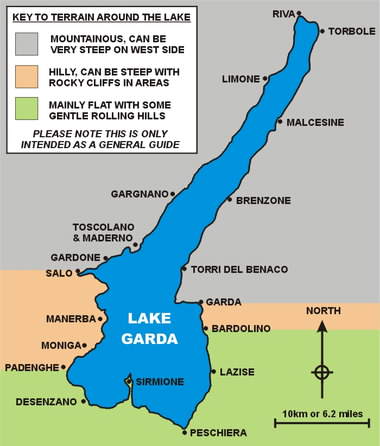
Zeni winery is located in northestern  Italy. Sitting on hills, it overlooks the village of Bardolino and Italy’s largest lake, Lake Garda.  The winery is run by the Zeni family who have been making Veronese Wines for five generations.


Zeni is a wine producer that has been in business since Bartolomeo Zeni began trading wine in the early 1800s in the Bardolino region of Lake Garda in Italy. Today, the Zeni family is still in charge of wine production, with artful attention to details and a sense of tradition using modern equipment and techniques. The company produces a broad range of styles from classical Bardolino, Soave, Valpolicella, Bianco di Custoza, Lugana and Amarone to IGTs, rosé, sparkling and dessert wines. – http://www.snooth.com

At Nota Bene restaurant
notabenerestaurant.com

We’ve all heard the words Valpolicella, Ripasso, Soave, Prosecco and Amarone. These words are associated with the Veneto region of Italy. The Veneto is also the centre of a process called “appassimento” which translates to “grape drying”.

The wines of Zeni fall into a number of categories or selections (selezione).  These categories group the wines and highlight stylistic features. They are labeled i Classici, Vigne Alte, Marogne, Amaroni, Recioti and Gli Speciali. www.zeni.it/vini.php

Zeni family

Since 1991, the winery has also been home to a wine museum. It covers everything from ancient winemaking to current day viticultural and vinification practices. I took a look at the museum on the website. It really does look interesting. All those old tools remind me of the movie  “The Princess Bride”. You know the scene I’m talking about. Spending quite a bit of time on the website, I’ve developed a desire to make a trip to the region. It’s for educational purposes…really! Time to purchase an Italian phrasebook.

My “passport” to the
wines of Zeni

Let’s review some terminology:

IGT: Indicazione Geografica Tipica. This is the Italian classification system for those wines that don’t meet the strict regulations of the DOC (or DOCG which is one more level up). IGT rules allow for more experimentation or blending of international grape varieties. Wines with this classification are often very good.

DOC: Denominazione di Origine Controllata. This is the Italian classification system for quality wines coming from a region. The highest level (one level up) is DOCG. Wines produced under this classification must follow very specific rules and regulations (for example, what grape varieties may be used). It’s similar to the AOC system in France or our own VQA system.

Classico: In Italy this means the original zone of production within a DOC. It’s the “classic” or historic area of that DOC. Classico vineyards are considered to be of superior quality.

Fausto Zeni (left)
photo by J. Aiello

Valpolicella: A region in the Veneto. This is in Northeast Italy. The grape varieties used in the blends are often Corvina, Rondinella and Molinara.

Ripasso: The Italian word for “re-passed”. It is a style of Valpolicella. Valpolicella wine is re-fermented on unpressed grape skins leftover from the production of Amarone. The fruitiness of Valpolicella wine is combined with the earthy characteristics of Amarone. It adds flavour, body and alcohol to the wine. Think of it as “Amarone on a budget”.

Amarone: A red wine made in the Valpolicella “Classico” region. It is made with dried (passito) grapes. The grapes shrivel, becoming raison-like. This technique creates wines that are powerful and concentrated with alcohol levels reaching above 15%. The proper name is Amarone della Valpolicella Classico. Hence, Amarone for short. The Corvina grape is the dominant variety in the blend.

Rosso: Italian word for red.

Fausto Zeni and
@theyummygrape
Ciao! er…thumbs up!
photo by J.Aiello

What an evening. Delicious food coupled with enjoyable wine. Whenever Italians are involved, the fun is usually just moments away! The festivities were brought to us by the letters IYC – the iYellow Wine Club and as usual, I spent the night with old friends and as expected, made new ones.  The iYellow Wine Club is a social club based in Toronto. Free to join, it’s a wonderful way to socialize and learn about wine.

Here is a great review of the evening by fellow blogger @towineman: towineman.com

Now we go to L’abbinamento (“the match”). This Italian word is represents the pairing of food and wine. I’ve been practicing saying it with some Italian flair.

course 1

Course 1

Warm Zucchini Salad
Artisanal Goat’s Cheese, Coppa
Wine Pairing: Costalago IGT Rosso Veronese 2010

This wine was in Vintages for about $15! A good wine for the money. Too bad it’s sold out. Well, it’s actually good that it’s sold out. Good for them, bad for me. This wine is mostly made of the grape Corvina with some Cabernet Sauvignon and Merlot blended.

course 2 (drool!)
Course 2
Dry-Aged Beef Carpaccio
Wine: Valpolicella Ripasso DOC Superior Marogne 2009

Full-bodied with hints of black cherry and well-ripened fruit. Traditional skin fermentation followed by 10-15 days maceration. After fermentation the unpressed Amarone skins are added to Valpolicella wine, according to the traditional Valpolicella ‘ripasso’ technique. (from Zeni tasting notes)

course 3 
Course 3
Sorbir di Agnoli
Ripieno di Cotechino
Wine: Amarone della Valpolicella DOC Classico Vigne Alte 2007

Scored 19 points with Decanter.
“Aromas of tobacco, woodsmoke and mocha. A very elegant palate with red fruit, silky tannins and fine acidity. – Decanter

course 4 (show me the marrow!)
Course 4
Roasted Lamb Loin
Spring Peas, Rosemary-Garlic Jus
Wine: Amarone della Valpolicella 
DOC Classico Barriques 2007

Raising of the grapes for 4 months followed by traditional skin fermentation. Notes of vanilla and hits of cocoa and spices. (from Zeni product notes)

Course 5

Parmigiano Reggiano

Dried Muscat Grapes
Wine: Amarone della Valpolicella 
DOC Classico Nino Zeni 2000

A real treat for us. Named as a tribute to the father of the current Zeni children who run the family business.  It was one of my favourites of the evening.

5 wines of the evening
photo by J.Aiello

I’d like to thank Angela Aiello of iYellow Wine Club for inviting me to this enjoyable yet very informative evening! I think my “fear” of some of the complexities of Italian wines has been greatly diminished. By writing this blog post, I now feel a more confident discussing the wines of Vento. Bring on the dinner parties. Ciao!

Salute!
photo by J. Aiello

For more information about iYellow Wine Club, Toronto’s hippest social wine scene: www.iyellowwineclub.com


Follow iYellow Wine Club on Twitter: @iyellowwineclub

To learn more about the Zeni family of wines: www.zeni.it

Follow Zeni on Twitter: @Zeni_Bardolino

An interview with Federica Zeni of Zeni Winery
Triplusvin YouTube Channel

A YouTube video showing Bardolino
and Lake Garda

California Wine Fair 2012

Every year, I eagerly anticipate the California Wine Fair. Located at the Royal York Hotel in downtown Toronto, the walk-around tasting is a great way to spend a few hours discovering this diverse state. It really has it all – sun, surf, tech, stars and most important – wine.

Wines of Grgich Hills
2008 Cabernet Sauvignon

This year I had the chance to attend the afternoon event for trade and media. I was excited because I would be sharing the same spit buckets as some of the city’s most respected sommeliers, writers, agents and buyers. You know, spitting wine is actually an acquired skill – one that I have yet to master as I always somehow manage to get whatever’s in the bucket on myself. Bleh.

Alessandro from Profile Wine Group
Pouring J. Lohr wines

The public tasting is always held in the evening. There is a modest entrance fee. I say modest because for the quantity and quality of the wines, it’s well worth it. This event gives you the opportunity to taste some wonderful examples of what California has to offer. This year, there were over 100 wineries participating. I’m sure you’ve seen some of the names before in your local LCBO store:

Profile Wine Group pouring
Signorello wines

J. Lohr Winery
Beringer Vineyards
Roert Mondavi Winery
Francis Ford Coppola Winery
Sterling Vineyards
Grgich Hills Estate
Heitz Wine Cellar

… and luckily for us, the list goes on!


Tara Colaneri of Colaneri Winery
and Ontario Winemaker of the year –
Andrzej Lipinski

An event like this can be quite over-whelming as there are just too many wines to physically try.  You can’t do it all. Well, you could try but probably wouldn’t get very far before being head first in one of those spit buckets. Trust me, I learned the hard way one year.  That’s all I’ll say about that. What I recommend is to do some research on the participating wineries. The list is always posted well before the event. It helps to have a game-plan. Divide and conquer.

Miner Family Winery
2008 Wild Yeast Chardonnay

On the hunt for varieties other than Chardonnay, Merlot and Cabernet Sauvignon, it didn’t take long to stumble (maybe not the best term to use for a wine-related post) upon the other darlings of California such as Sauvignon Blanc, Viognier, Pinot Noir, Syrah and Zinfandel. Of course, what I always start with is some sparkling wine. This year, it was the bubbly of Gloria Ferrer. Sparkling wine is a great way to prepare the palate for a taste-a-thon.

Flowers Pinot Noir is
always a hit

Having spent quite a bit of time there for work, I’ve developed quite the affinity for California. I had the opportunity to visit many wineries in Santa Barbara County, Sonoma County and Napa Valley. Hopefully on my next trip, I’ll explore Paso Robles – home of some fine Zinfandel and various Rhone varietals.

Zaca Mesa 2009 Viognier was
 a great new discovery

California is a state with approximately 1300 km of coastline. The state’s topography and soil variances leads to diverse growing conditions which of course come out in the wines. The cool air from the Pacific ocean acts like a giant air conditioner for vineyards – especially those closer to the coast. Plenty of sunshine to properly ripen the grapes, cool fogs and breezes from the ocean to cool them down – this is why the state can have such a flourishing wine industry.

http://www.discovercaliforniawines.com

Whenever I visit a particular California wine region, I always find the people to be warm and welcoming. They’re excited to share not only the wine, but the passion and knowledge that goes with it.  It really is quite infectious. Sure, some regions can be slightly more touristy than others but I can guarantee that you’ll always have an enjoyable visit.

Dierberg Family of Wines

California is usually at the forefront of research and innovation. Did you know that the state actually grows 100 different grape varieties? Experimentation with winemaking techniques, technology along with flexibility in creating unconventional blends is like none other in the world.

The wines of Peju

The growers and winemakers are also leading the way for sustainable winegrowing practices. That could be a whole other article: Sustainable, Biodynamic and Organic Farming. For brevity’s sake, let’s just say that they’re trying to create products that have the least amount of environmental impact right from practices in the vineyard itself to those inside the winery. Sustainability – from grape to bottle. Just remember, sustainable does not equal organic.

Packed with eager tasters

For more information on sustainable winegrowing in California:

www.discovercaliforniawines.com/sustainable-winegrowing

If you really want to have a great, detailed read about California, check out this webpage by Jancis Robinson:

www.jancisrobinson.com/articles/a200808082.html

I urge you to check out the California Wine Fair when it’s back in town next year. In one evening, you can discover what the Golden State has to offer. You can, in the meantime, begin your research by picking up some California wine on your next visit to the LCBO. Coincidentally, one of themes for the current Vintages release is  “California Legends”.

www.calwine.ca
www.discovercaliforniawines.com
www.facebook.com/CaliforniaWines

Learn more about the wines of California
This is a fun show with world-renown wine expert Oz Clarke
and Top Gear’s James Hammond
I’m hooked!
Oz & James’s Big Wine Adventure 
Los Carneros

So what’s Vinho Verde?

When I heard about the Vinho Verde tasting in Toronto, it peaked my curiosity. I’ve heard about this region and the topic was touched upon in some of my wine classes but I didn’t know anything about it really. This tasting would provide an excellent way to travel the region – one wine at a time. Normally when one thinks of Portugal, port wine comes to mind. Portugal also produces still, sparkling and sweet wines. It’s up to us consumers to get out there and explore what the country has to offer.

Lush and green

Vinho Verde is located in the hilly northwest portion of Portugal. Known for cool, wet weather and lush green vegetation, Vinho Verde translates to “green wine” although it really means “young wine”. Having the largest area under vine in the country, the wines coming from this region are characterized as being fresh, crisp and aromatic with lots of mineral notes. Perfect for light-style foods and activities such as white fish, poultry, salad, sushi and my favourite, summer patio sipping!

www.sfgate.com

Some say the designation “Verde” (green) owes its origin to the wine’s acidity and freshness, resembling unripe (green) fruit. Others affirm that “Verde” comes from the region’s vegetation, which imparts a green tone to the soil, even in winter. – winesofportugal.info

A friendly face from Vinho Verde
Antonio Oliveira Monteiro
of Quinta Das Arcas

From a viticultural point of view, cool wet weather will make ripening of grapes more difficult, leading to fruit with much higher acidity.  Suffering from a poor reputation over the years, the region is going through a rebirth. Early exported wines were extremely tart, acidic and fizzy (carbon dioxide left over from fermentation). This led to the the region’s unpopularity. With the modernization of both viticultural and vinification practices in the region, wine quality has greatly improved and continues to evolve.  I really enjoyed many of the wines that I had the opportunity to try. You could say that I was pleasantly surprised. Only some of the whites had a bit of that prickle (carbon dioxide) which is now deliberately added during bottling, to give homage to the history of the style. Other whites, especially those made with the Alvarinho grape (same grape as the Spanish Albarino) displayed an elegant, fuller body, some with oak influence. One thing is sure, Vinho Verde is focusing on producing quality-driven wine while showcases its indigenous grape varieties. Even though the region is predominately known for its whites there is also plenty of red being produced as well. We just don’t see much of it here.

Delicious wines from
Quinta de Carapecos

Vinho Verde is still distinguished by its high acidity. Flavour depends on the grape varieties used – floral Loureiro, steely Trajadura, mineral Arinto (known here as Pedernã), creamy and mineral Avesso, and the fine, mineral, subtly fragrant Alvarinho. Azal Branco is hard to ripen and declining in popularity, and in any case tends to get blended with more aromatic grapes. Most white Vinho Verde can be relied upon to be light, crisp and aromatic, often with a light prickle of fizz, sometimes with a touch of sweetness. – winesofportugal.info

Wines of Vinho Verde
 Conde Villar line by
Quinta das Arcas

At the event I had the opportunity to speak with Carla Cunha, a spokesperson for Vinho Verde. I asked her to describe in her own words, the essence of the region and its wines.

www.quintadasarcas.com

“Vinho Verde means a young wine. It’s a young style of wine in one way. The other, it comes from a very very green region and that initially gave the name to the wine region and to the wine. The climate has Atlantic influence. The wine is very young and fresh.” 

For more information about this exciting region: 
www.vinhoverde.pt
Desfrute dos vinhos de Vinho Verde!


Vinho Verde 101 


Vinho Verdo Wines YouTube Channel


Meeting Alvaro Palacios

Alvaro Palacios 

Sponsored by Woodman Wine and Spirits, the latest WineAlign event featured the wines of Spanish winemaker, Alvaro Palacios. The evening was held at the Spoke Club, located in the trendy downtown Toronto King West district.

The flight – get ready!

This was a more formal structured tasting of ten wines from three regions of Spain, followed by a tapas reception. We were in for a treat because Alvaro himself conducted the tasting. He kept all of us eager vinophiles engaged as he explained, in great detail, the wine history of Spain and his journey towards becoming a winemaker. Afterward, the reception provided an opportunity to meet the charming winemaker and other WineAlign members. While chatting with Alvaro, I discovered that he and I share an affinity for wine books (mine is really an obsession). Being the wine-book nerd that I am, I lugged my most recent purchase to the tasting and had him sign it. He gladly did with a sparkly silver marker. By the end of the night I found him sitting at a table flipping through the book admiring the pictures. Ah wine books…I just love them! If only I had time to read them all. In the meantime, they look very scholarly sitting on my bookshelf…

The Yummy Grape meets
Alvaro Palacios, one of Spain’s most
respected winemakers

If you want to read more about the event,
David Lawrason and John Szabo have a great article: blog.winealign.com/tag/alvaro-palacios

David Lawrason of WineAlign
introducing the wines of
Alvaro Palacios

After studying oenology in Bordeaux, and training under Jean-Pierre Moueix at the renowned Chateau Petrus, Alvaro returned to Spain and helped revolutionize Spanish wine.  He credits his experience in Bordeaux for much of his winemaking philosophy.  It showed him the “importance of great wines” and provided him with a key reference point for his own endeavours.  His wines have won him cult status and are highly respected by the wine press.  The Wine Spectator has called Alvaro “Spain’s Most Exciting Winemaker”, in 2003 Wine & Spirits Magazine named him their “Winemaker-of-the-Year” Decanter has called him “Spain’s most talked about winemaker”. – http://www.woodmanwineandspirits.com

Alvaro Palacios
http://www.winesfromspain.com

About Alvaro Palacios on the Decanter website:

Rioja
us.riojawine.com

Rioja
From the influence of the Romans thousands of years ago to the innovations brought by Bordeaux, present day Rioja is the region most synonymous with Spain. Here, the Tempranillo grape is king of the reds and Virua exists as queen of the whites.


Priorat
http://www.online.wsj.com
Alvaro Palacios
Camins del Priorat

Priorat
This region become famous only recently. Old vines and steep terraces not only give way to picturesque views but the wines, modernized and re-invigorated by a group of young winemakers a couple of decades ago, are now highly sought after. Red wines are Grenache-based and often blended with Carignan. The use of international varieties such as Cabernet Sauvignon is often used as well in blending.

Alvaro Palacios, son of the Rioja family of the same name, was the most successful one of a group of pioneers who planted vines on the inhospitable slopes around Gratallops in the late 1980s.
In doing so, he helped to change the perception of Priorat’s wines forever.
Eyewitness Companions “Wines of the World”


Bierzo
http://www.winesfromspain.com

Bierzo
Situated in the northwestern part of Spain, this is one of the hot upcoming regions. The rugged landscape and high elevation suit the red Mencia grape which is often found on very old vines.


This wine comes through
Vintages so keep
an eye out

Wine Spectator Top 100 Most Exciting Wines of 2011 #26 
Petalos 2009

Alvaro Palacios built his legend on the stunning wines he has crafted from the farthest reaches of Spain, from Priorat to Bierzo. Palacios’ latest project features another rising star — the obscure Mencía grape. In the Bierzo appellation, perched in the Northwest corner of Spain, ancient Mencía vineyards emerge from the steepest of hillsides, their roots deeply set into unique, mineral-laden soils. Under the skilled hands of Palacios and his nephew, Ricardo Perez Palacios, the forgotten black grape (believed by some to be a cousin of Cabernet Franc), has achieved new heights. The 60- to 100 year-old vines yield less than one ton per acre, resulting in a most concentrated, unique expression of this variety and of the Bierzo terroir. – www.woodmanwinesandspirits.com


http://www.winealign.com

I urge you to join WineAlign. With excellent reviews by both critics and consumers, it’s a one-stop resource for all present and past wines at the LCBO. Plus the articles and videos are cool too! www.winealign.com

             Me encanta el vino!

Check out the great portfolio of Woodman Wines and Spirits, including the wines of Alvaro Palacios: www.woodmanwinesandspirits.com

“Meet the Winemaker” on the DebraMasterofWine YouTube channel
This episode features Alvaro Palacios 
Video about Alvaro Palacios and Priorat
Worth watching for the ariel shots (in Spanish)

The Sun-kissed Rhone

The village of Gordes
http://www.avignon-et-provence.com

Last month I attended a small, intimate tasting of Rhone wines at the new Maple Leaf Hotel here in downtown Toronto. As a lover of Rhone wines, I was very honoured to have been invited to such an event. When I learned that the famed winemaker, Michel Gassier was also going to be there, well, that was the icing sur le gâteau.

Pont du Gard
http://www.avignon-et-provence.com

The southern Rhone has such a special place in my heart. I hold many sentimental feelings to this beautiful region from my various past adventures. While everyone gushes over the architecture and art of Paris, my dreams remain south among the vineyards and lavender fields. I still have a few bottles of wine sitting rack which I lugged back with me from my most recent trip. Whenever I wish to re-live my adventures there, I yank out a bottle and savour ever last drop. Pictures really don’t do the south of France justice. You really just have to go there to understand the true beauty of it all. The entire region is laced with sunshine, Roman ruins, vineyards, beautiful villages and most importantly, gracious people. I remember walking one morning in a small village just outside of Avignon with some freshly baked croissants only to see some locals sitting on patios with small glasses of rose wine. I found that so civilized!

The natural beauty of the Calanques
http://www.provence-bnb.villachapelet.com

There is so much to see in this small but diverse region. Centuries of history have left a mark on every corner. While I fully support our local Ontario wine industry, I do posses a love-affair with the Rhone wines. You could say that I often cheat on Ontario with the Rhone. Shh…

The wines are warm, welcoming and come in a array of price ranges. If you’re looking for an every day red to pop open on a Tuesday night or something a bit more expensive as a gift, this region can supply. If you’re looking for an enjoyable wine for a good price, look no further than the different regions of the Rhone.

As stated on Jancis Robinson’s website:

“This is the region of France’s most user-friendly wines…Perhaps it’s because the southern Rhône is the gateway to, a land of olive trees, cicadas, sunshine and Impressionist summer landscapes.” – www.jancisrobbinson.com

Here is map of the Rhone Valley:

http://www.rhone-wines.com

Quick Facts:

  • The Rhone Valley is one region with two parts: Northern and Southern Rhone.
  • The Northern Rhone produces less wine than the south and can often command higher prices.
  • Main grapes used in the Northern Rhone are Syrah (red) and Viogner (white).
  • The reds from the Northern Rhone are often meant for ageing.
  • Climate of the Southern Rhone is more Mediterranean.
  • Wines in the South are made mostly made as blends with Grenache being often the predominant variety in the reds.
  • Tavel is the area in the South that is known for its Rose wines.
  • The prevailing Mistral Winds aid in ripening the grapes as well as to thwart disease and rot.
  • There are more and more vineyards that are going organic or biodynamic.
  • Delicious, reliable wines for great value can often be found!
Sorting Grapes
www.michelgassier.com
The wines from the Rhone Valley are categorized by quality levels. Starting with your basic Cotes du Rhone going all the way to Cru. These categories signify where the fruit is allowed to be sourced from and what kind of restrictions are in place for that fruit, such as minimum ripeness etc. The generic Cotes du Rhone can be from anywhere within the region whereas the fruit for Cru must come a very specific place and has the most strict quality standards.

  • Cotes du Rhone
    • Fruit can be sourced from any area within the Rhone although most, if not all, comes from the South. This will be your basic regional wine.
  • Cotes du Rhone-Villages
    • Slightly more restrictive as to where the fruit can come from with further quality controls on the fruit. Village names are not permitted on the label. The fruit can come from many of the allowed villages at this classification.
  • Cotes du Rhone-Villages (with village name)
    • The fruit can come from one of the designated villages that show slightly higher complexity in their wines. Slightly more restrictions on the production than the Cotes du Rhone-Villages.
    • For example: Cotes du Rhone-Village Cairanne. 
  • Cru
    • From specific villages in both the Northern and Southern Rhone. Wines with this designation face the strictest quality control levels.
    • These wines won’t have the “Cotes du Rhone” in front of the name. Only the village name. Some villages are Gigondas, Chateauneuf-du-Pape, Vacqueyras,Vinsobres,Rasteau, Saint-Joseph,Tavel and Hermitage.
Michel Gassier
Winemaker extrodinaire!

I first became acquainted with Michel Gassier over Twitter believe it or not. I had just enjoyed a delicious bottle of his 2007 Chateau De Nages JT Costieres De Nimes. I reviewed it on the popular site www.winealign.com. The review automatically got pushed to Twitter and he re-tweeted me! Not only is he a fantastic wine maker but also very social media savvy. Of course, after that, I “liked” him on Facebook, followed him on Twitter, read his LinkedIn profile, subscribed to his YouTube channel and his blog. Hmm, I can’t help but feel like a cyber-stalker. As a perpetual student of wine, I’m very interested in these behind-the-scenes postings that Michel uploads. He discusses all aspects of winemaking from viticultural to the vinification practices he uses. Now you can understand why I was so looking forward to meeting him. I was able to ask many (perhaps too many!) questions face-to-face. His English was superb I must say.

The Arena of Nimes Roman amphitheater
Built around 70 AD
http://www.avignon-et-provence.com

www.michelgassier.com
www.facebook.com/vignoblesmichelgassier
@MichelGassier

The wines by Michel Gassier come from the region in the southern Rhone, known as Costières de Nîmes. In the map above, the region is located in the bottom left.

“The most southern of the Rhône Valley 
vineyards…The Costières de Nîmes vineyards are the link between two regions that make up the cradle of the wine civilization: 
Provence and the Languedoc.”www.costieres-nimes.org

Nimes

Wines tasted

On the website, you can find details about each wine from how it was made to the ideal food pairings.  What really impressed me about the wines by Michel Gassier, was the wonderful acidity found in them since they do come from such a warm climate. It really was a shame to spit during the tasting. What’s wrong with a liquid lunch? 🙂

For detailed tasting notes and other information, click the links below.
Note that the wines on the website may be from different vintages than tasted.

Les Pilers 2010 Viognier

The 2009 was available at the LCBO but it’s all sold out!

A delicious Viognier showing acidity with peach and citrus fruit. The 2009 retailed for $15.95 which is a great price for the quality of this wine. Can’t wait for the 2010 to come. I just love a good Viognier. A white to look out for.

Lou Coucardie 2010 Red Blend

60% Mourvèdre, 30% Grenache and 10% Syrah.
AOC Costières de Nîmes

This wine has personality. It’s bold and concentrated with ripe fruit and spicy notes. Good tannins and texture. Decant before serving.

Nostre Pais 2009 Red Blend

35% Grenache Noir, 25% Carignan, 20% Mourvèdre, 15% Cinsault & 5% Syrah
AOC Costières de Nîmes

This was my favourite of the wines tasted. All the wines were fantastic but this one in particular resonated with me. This wine just had a wonderful complexity! There was a beautiful aroma, not much heat, good acidity, fruit and herbal notes. What I loved about this wine was the apparent minerality and freshness. That’s what I love about Michel Gassier’s wines. They’re just so well made and balanced.

A wine video by Michel Gassier…I learn so much from these!
The next series of wines were from the new Dauvergne Ranvier.
Olivier Zorel, who is with the export department, was there to talk about the wines of this joint venture between Francois Dauvergne and Jean-Francois Ranvier.
Francois Dauvergne
Jean-Francois Ranvier
http://www.dauvergne-ranvier.com

Dauvergne Ranvier
Gigondas 2007

“With no vines, no cellar and not a lot of money, how do you create a winery? It’s from this question was born a unique savoir-faire explains François Dauvergne: As we had no vines but we wanted to create our own wines, we had to establish strong relationships with winegrowers in the Rhône Valley. In exchange for our advice and good compensation, we select the best plots of vines which the growers then work for us following our guidelines. ” www.dauvergne-ranvier.com

Dauvergne Ranvier
Chateauneuf-du-Pape

Dauvergne-Ranvier has a very large portfolio with wines representing much of the Rhone Valley: www.dauvergne-ranvier.com/en/30_1.cfm?f=56-our-wines

The three photos of wines here are available at the LCBO. I’m happy about that because I can give these wines a nice home in my wine rack.

Wines tasted (click on the link to read critic’s tasting notes):

Dauvergne Ranvier
Vacqueyras 2009

2010 Dauvergne-Ranvier Luberon Red
2009 Dauvergne-Ranvier Vacqueyras
2009 Dauvergne-Ranvier Saint-Joseph
2009 Dauvergne-Ranvier Crozes-Hermitage

I enjoyed all of the Dauvergne-Ranvier wines tasted. The Luberon will retail for perhaps $12. It’s a fruity, easy drinking wine that is made with Syrah and Grenache. For the money, this wine will go over well.

What a fabulous way to spend my lunch. I really wanted to practice some of my French but I was too shy. Instead, I just sat back and admired the accents. For more information about the event, here is a post by Tim Appelt of www.winediscovery.ca:

www.winediscovery.ca/HtmlTastingEvents/HTMLTasting2012/TE_Rhone_Feb7_2012.html

Thank you to the wonderful people of Sopexa for inviting me to this tasting and for promoting this amazing region!  www.sopexa.com

If you ever have a chance to go to the Rhone, don’t pass it up. You won’t be disappointed. From the sights to the wine, there’s something for everyone. Hopefully I’ll be there sometime this year…Michel Gassier and folks at Dauvergne-Ranvier – I hope to be knocking on your doors for some more great wine! 🙂

To learn more about the wines of the Rhone:
www.rhone-wines.com
www.vins-france.com

Be mine…you lovely wine!

Happy Valentine’s Day from me to all of you! May your day be filled with wine-y goodness! I thought I’d take this moment to post some delicious finds for you this week. This recent Vintages release featured some yummy wines for the money. I think there’s something for every taste here.

This Vintages LCBO release featured California Cabs. This wine is a blend of 80% Cabernet Sauvignon, 11% Merlot with some Cabernet Franc, Petit Verdot and Malbec.   This wine showed ripe blueberry, chocolate, plum and violet. It’s dry with soft, integrated tannins. It’s a bit hot on the finish but other than that, it’s well-balanced. At this price point, there is a lot to savour!

Dry Creek Vineyard Cabernet Sauvignon 2007 $24.95
Sonoma County USA

I wanted to try something different and I found it with this one. I’m a huge fan of Greek wines. This grape variety is called Moschofilero. Not too high in alcohol, it’s dry, very aromatic with lively lemon zest. It’s tart with a good finish. I liked it!

Tselepos Moschofilero Mantinia 2010 $16.95
Greece


This lovely Shiraz had a great deep purple colour. It was spicy with lots of berry and licorice with slight vegetative flavours. It had great structure with nothing really jumping out to overpower along with a long delicious finish. I’m not one to normally drink Australian Shiraz but I would drink this one. I trust the wines from Plunkett Fowles. Not only is the quality there but it comes at an affordable price.

Plunkett Fowles Stone Dwellers Shiraz 2008 $19.95
Victoria, Australia

I’m in love! This Tempranillo will surely lure you into the boudoir this Valentine’s Day. With it’s silky sultry smoothness, it’s a typical Rioja. Wonderful nose with vanilla, chocolate and sweet ripe fruit. It’s medium bodied so don’t expect a macho-macho wine.

Finca Nueva Reserva 2004 $19.95
Rioja, Spain

I have some excellent news to share with you! Remember that tasting challenge that I participated in just before the holidays?

www.theyummygrape.com/2011/11/tasting-blindly-through-sea-of-wine.html

I came in 3rd place in the Amateur division! How about that. I didn’t think I did well at all. It was a tough competition. Time to practice for next year! The award ceremony will be April 17th at the oh-so- cool 99 Sudbury. Looking forward to it!